Curtain Linings Explained: A Complete Guide for Australian Homes
Date Posted:28 April 2026
Choosing the right curtain lining is one of the most important decisions you'll make for your windows, affecting everything from how long your curtains last to how comfortable your home feels year-round.
Why Curtain Linings Matter
Curtain linings are one of the most overlooked elements of window furnishings, yet they make an enormous difference to how your curtains look, perform, and last. A well-lined curtain protects the face fabric from sun damage, improves insulation, reduces noise, and gives the curtain better drape and body.
In Australia, where homes face strong sun, fluctuating temperatures, and humid conditions, choosing the right lining is essential for both comfort and longevity. The wrong lining can mean curtains that fade prematurely, fail to insulate, or simply hang poorly.
This guide walks you through the four main types of curtain linings we use at No Chintz, when to choose each one, and how the right combination can transform a room.
What Does a Curtain Lining Do?
A curtain lining serves four main purposes:
- Protects the face fabric from sun damage and prolongs its life
- Insulates the room by creating a barrier against heat and cold
- Improves the drape by adding weight and body to the curtain
- Reduces noise transfer from outside, particularly with heavier linings
Unlined curtains will always deteriorate more quickly. They offer minimal insulation and can fade within a few years in direct sun. For curtains made from quality fabrics, a lining is not optional, it's essential.
.jpg)
The Four Main Types of Curtain Linings
1. Interlined Curtains, the Luxury Standard
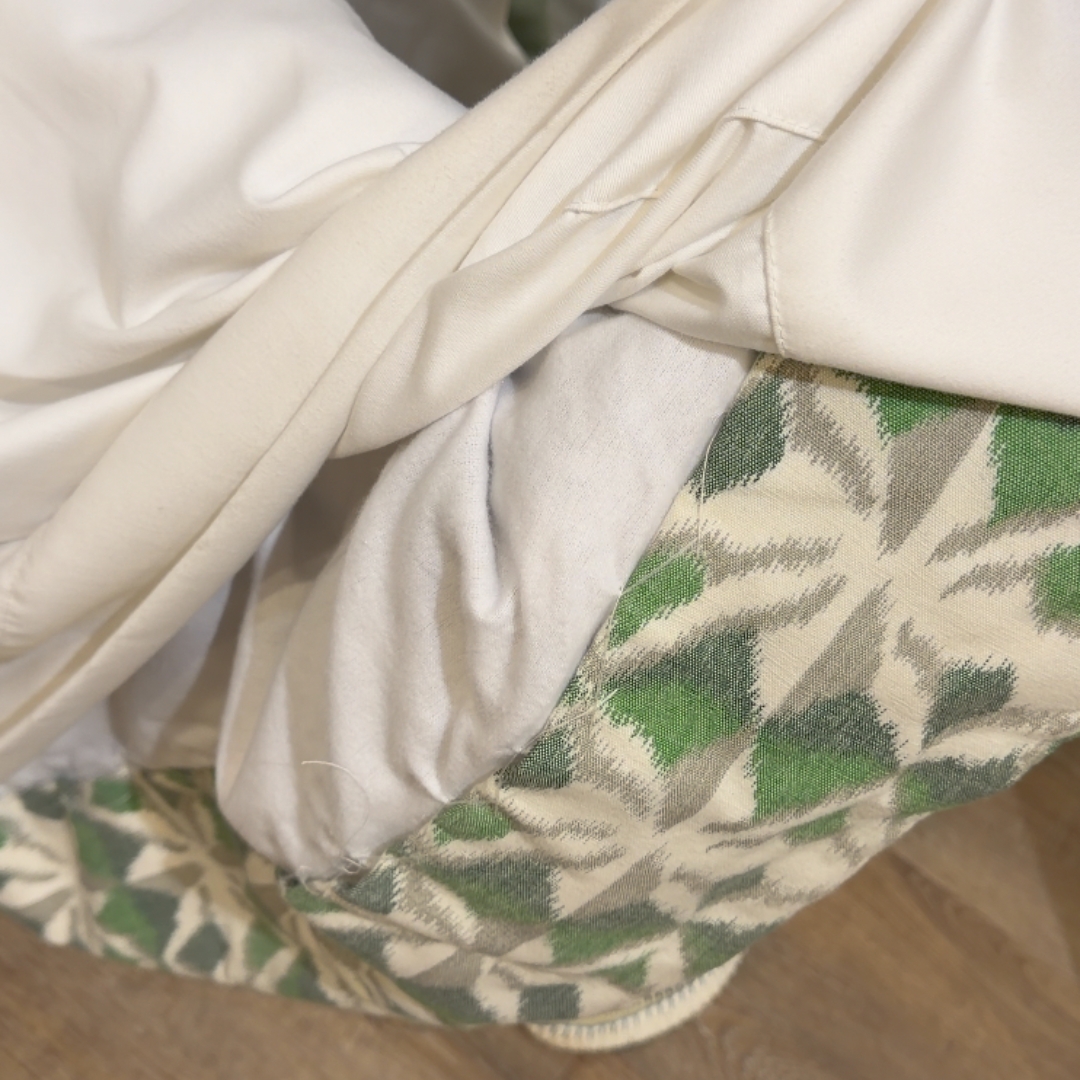
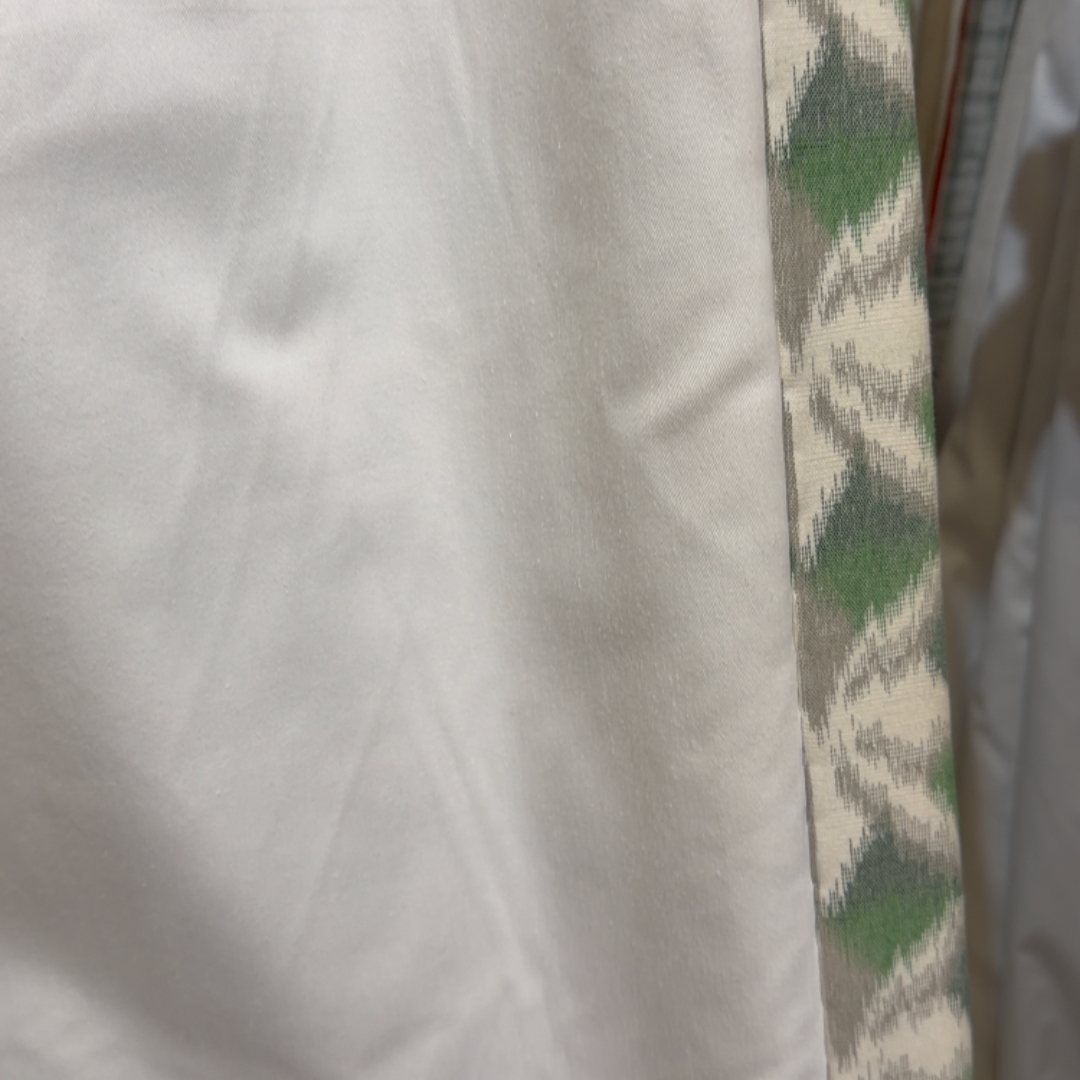
Interlining is the most luxurious way to line a curtain. It involves placing a soft flannelette layer between the face fabric and a standard cotton lining, creating a three-layer construction that supports the fabric and adds a soft, full body to the drape.
Best for:
- Expensive silks, damasks, moires and heritage fabrics
- Formal living and dining rooms
- Rooms where you want maximum insulation and a luxurious finish
- Curtains you want to last decades
Interlining is largely hand-sewn, which is part of what makes it a premium option. The result is a curtain that hangs beautifully, holds its shape, and protects valuable fabrics from sun damage. While Australian conditions don't usually call for the heavy interlinings used in European homes, a lightweight flannelette interlining adds noticeable warmth and elegance to any window.
2. Woven Insulate Lining, Excellent for Temperature and Sound
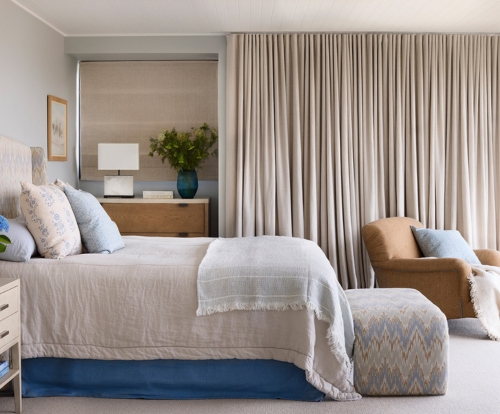
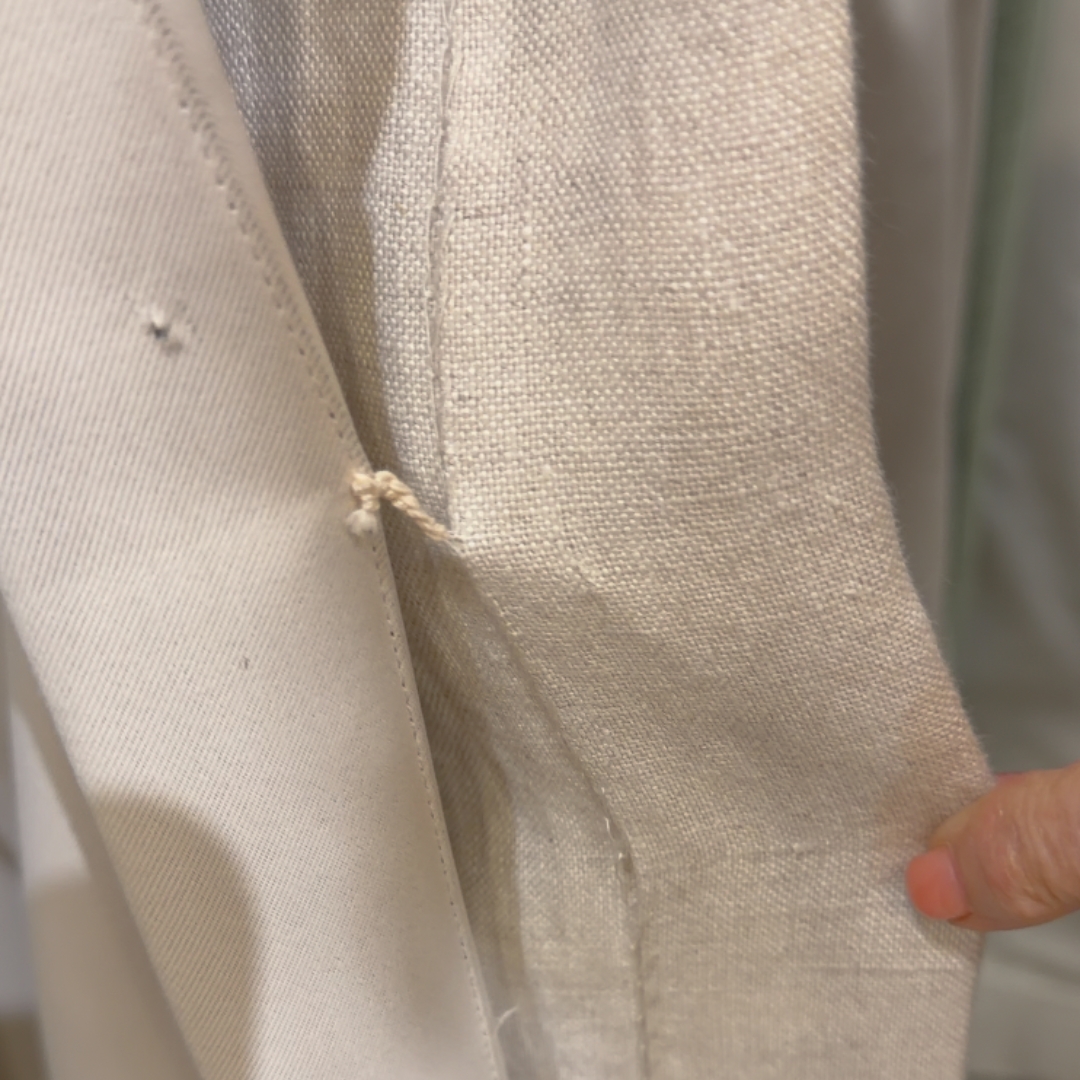
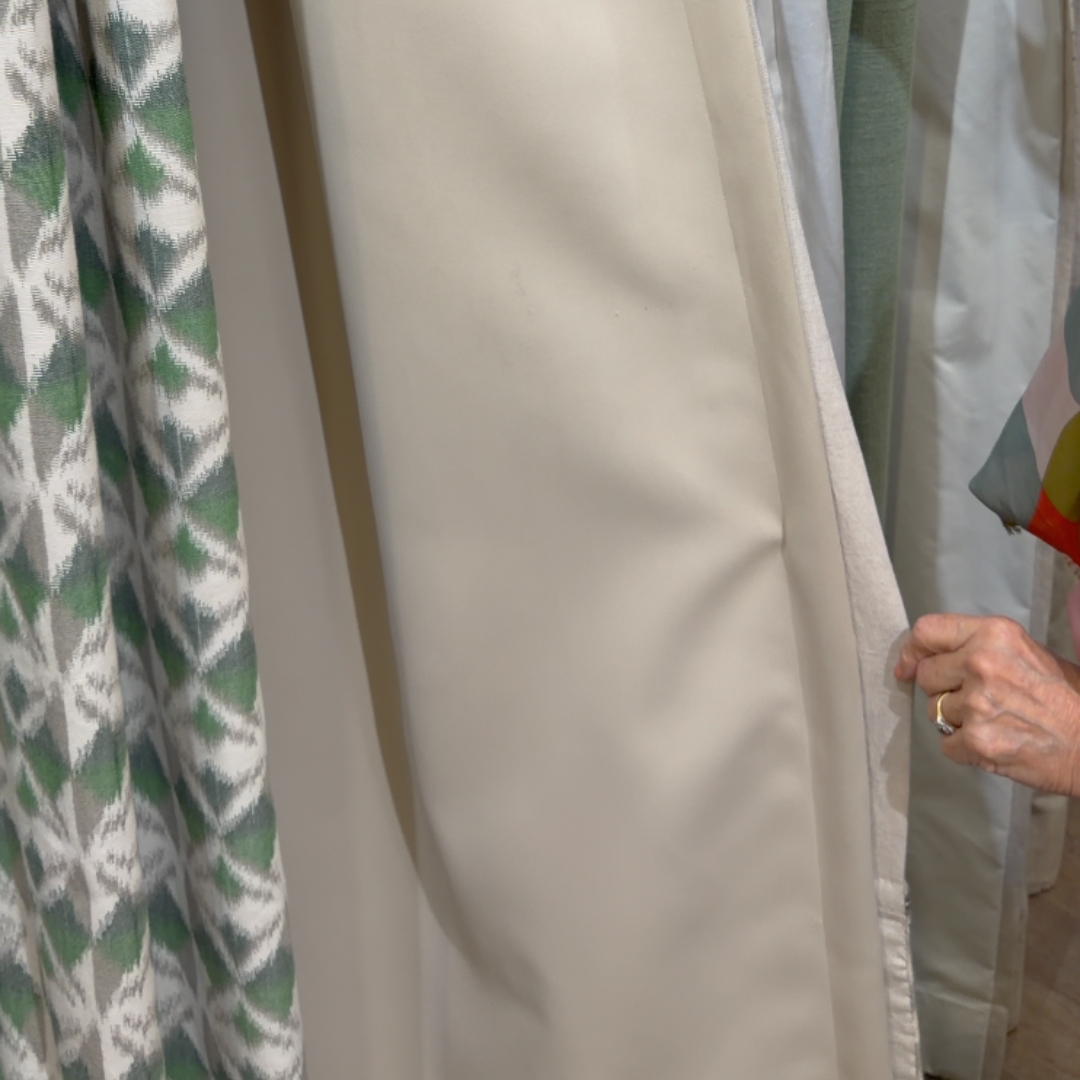
Woven insulate lining emerged about 15 years ago and has become a favourite for clients wanting strong thermal performance without the stiffness of a coated fabric. Originally designed for snow field conditions, it provides excellent insulation against extreme cold and helps deaden sound.
Best for:
- Bedrooms where temperature control and quiet are priorities
- Homes near busy roads where sound reduction matters
- Heavyweight movable linens that need a stable lining
- Curtains that need to be dry-cleaned
Because it's woven rather than coated, this lining is dry-cleanable, which is a significant advantage over coated alternatives. When paired with interlining, the sound and thermal benefits are even greater.
3. Coated Blockout Lining, the Heavy Lifter
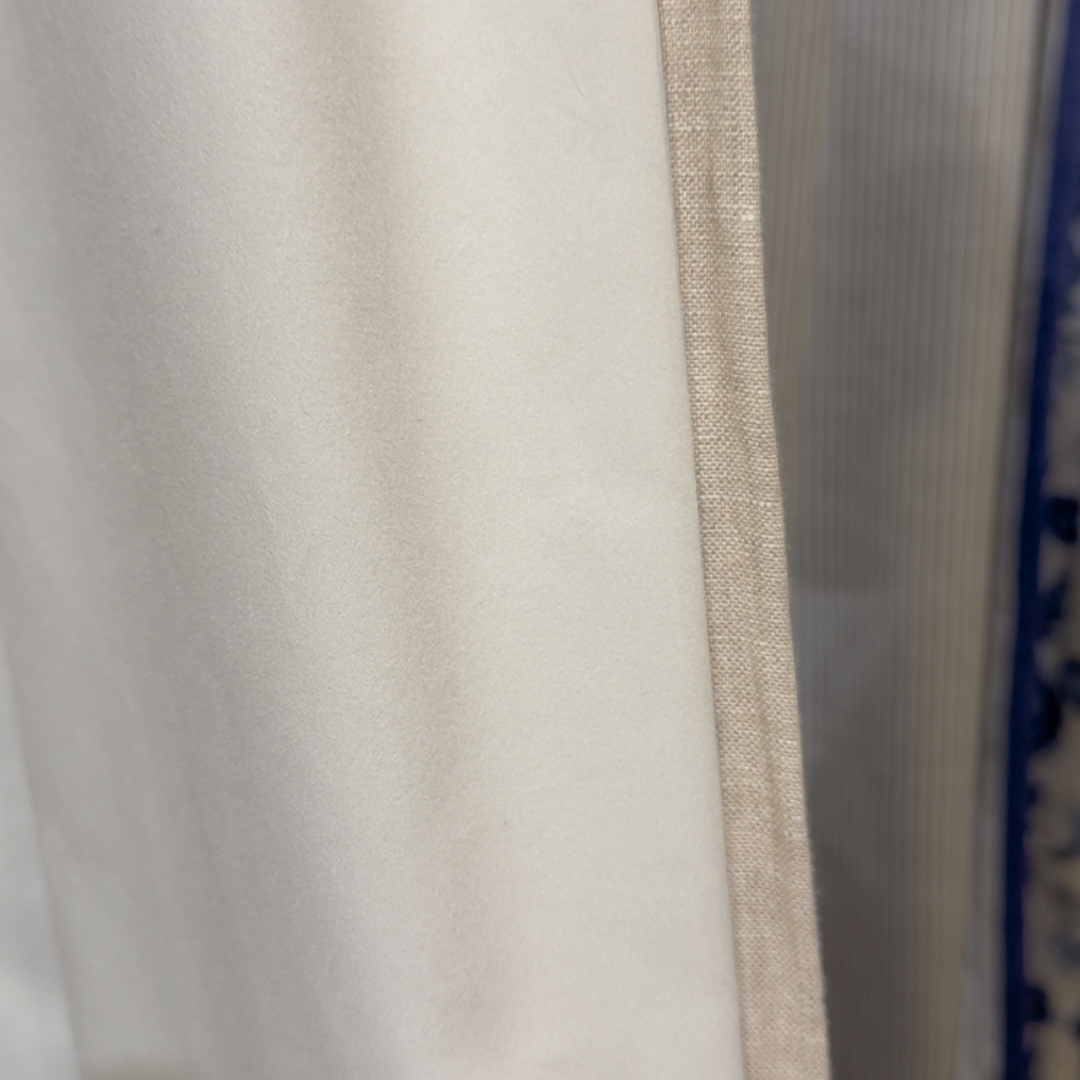
For 100% blockout, no lining performs better than a coated blockout fabric. These linings are unmatched for blocking light, heat and cold, making them the go-to choice for bedrooms and media rooms.
Best for:
- Bedrooms requiring complete darkness
- Media rooms and home theatres
- North and west-facing windows with intense sun exposure
- Rooms requiring maximum thermal insulation
The downside is that coated linings will eventually perish and may discolour or develop mould over time, particularly in humid conditions. They are also stiffer than woven alternatives, which affects the drape. Despite this, when total light and temperature control is the priority, coated blockout lining remains the strongest performer.
4. Sun Liner, the Modern Light-Friendly Choice
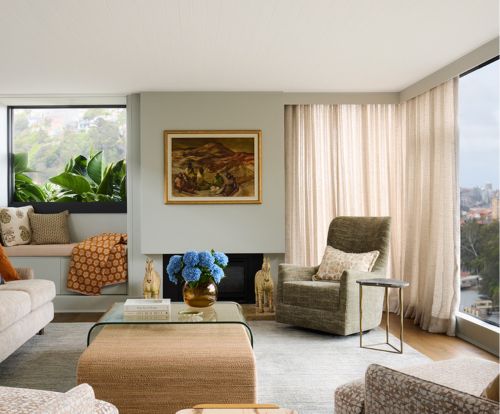
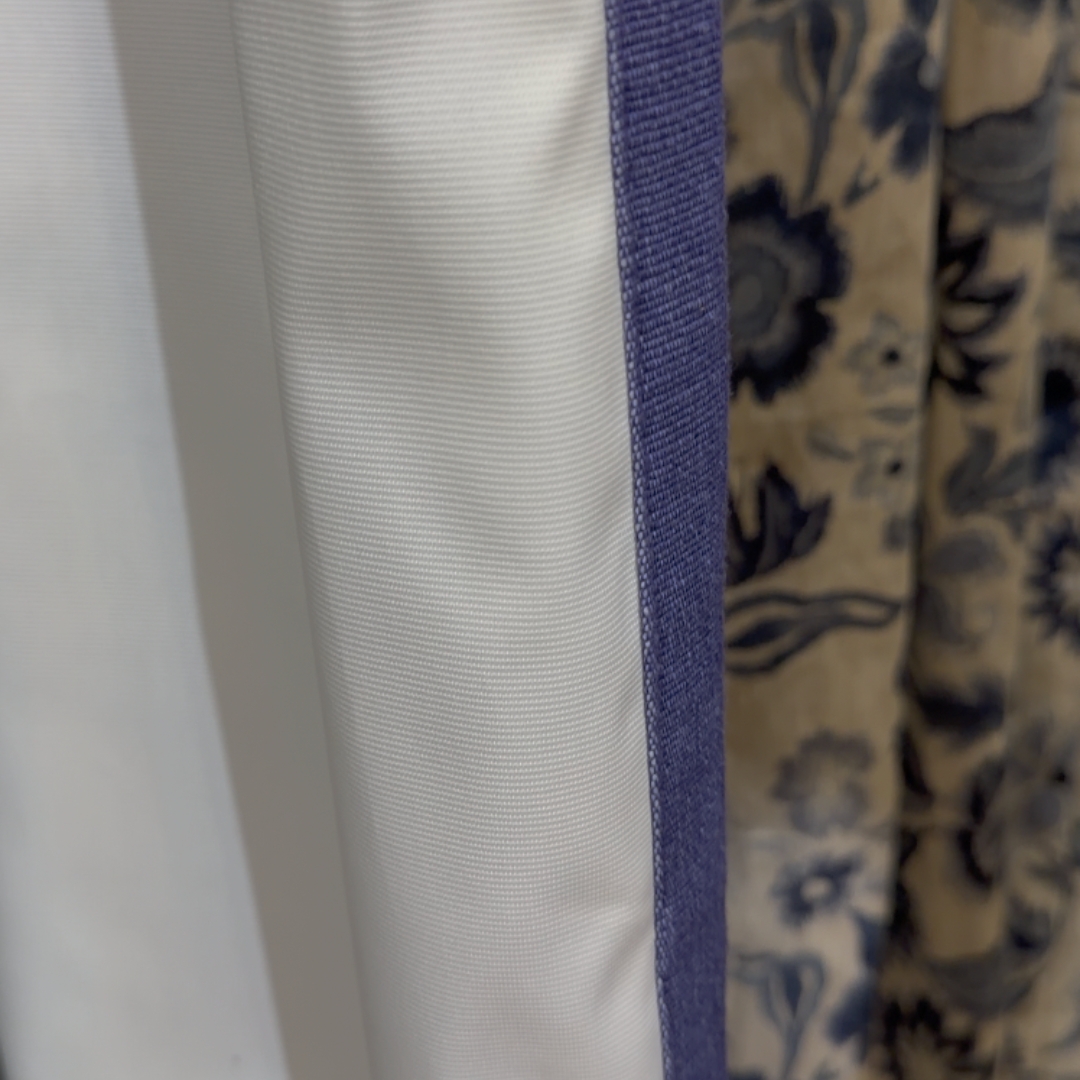
Sun liner is a newer option that emerged in the past decade as an alternative to traditional cotton linings. It's a lightweight woven synthetic fabric that allows soft natural light to pass through while filtering out the damaging UV rays that fade fabrics.
Best for:
- Living areas where you want a light, airy feel
- Sheer or lightweight linens that need protection without losing softness
- Rooms where blockout isn't desired but fabric protection is
- North-facing rooms with beautiful natural light
Sun liner preserves the drape and softness of the face fabric, making it ideal for clients who want their curtains to filter rather than block the sun.
Which Curtain Lining Is Right for You?
The right lining depends on three factors, the room's purpose, the orientation of the window, and the face fabric you've chosen.
| Room or Need | Recommended Lining |
|---|---|
| Master bedroom (full blockout) | Coated blockout lining |
| Living room (filtered light) | Sun liner |
| Formal dining or sitting room | Interlining with cotton |
| Media room or home theatre | Coated blockout lining |
| Bedrooms near busy roads | Woven insulate lining |
| Heavyweight linen curtains | Woven insulate (toggled) |
| Expensive silks or damasks | Interlining with cotton |
For most Australian homes, a combination approach works best. Many clients pair a sun liner or insulate lining for daytime curtains with a separate blockout blind for nighttime control.
How to Care for Lined Curtains
All No Chintz fabrics are either cotton or linen. To get the longest life from your lined curtains:
- Use full sun protection wherever possible (linings, blinds or external shading)
- Wash with mild detergent only, no enzymes or bleach
- Avoid leaving fabrics wet or soaking, particularly reds and strong pinks
- Use a professional dry cleaning service for fabric blends and coated linings
- Allow for natural movement of up to 5% in curtain length due to humidity changes
Why Custom Curtains Take Time to Get Right
At No Chintz, every curtain is custom-made in our Sydney workroom using designer fabrics and the lining best suited to your room. Custom curtains typically take up to 12 weeks from consultation to installation, which is why we encourage clients to start planning early, especially heading into winter when window furnishings make the biggest difference to comfort and energy bills.
Ready to Plan Your Custom Curtains?
If you're considering new curtains for your home, the lining choice is just as important as the fabric. Our team can guide you through every option in our Mosman, Willoughby or Woollahra showrooms in Sydney.
Watch Chrissie explain each lining type in detail in the video above, then send us an enquiry below to start your project.
Curtain Linings FAQ
Q. What is the best curtain lining for blocking heat?
A. Coated blockout linings provide the best protection against heat, cold and light. For homes wanting strong thermal performance without the stiffness of a coated lining, woven insulate lining is an excellent alternative.
Q. Do curtain linings really save energy?
A. Yes. Lined curtains create an insulating air pocket between the fabric and the window, reducing heat transfer in summer and heat loss in winter. Interlining and woven insulate linings offer the strongest energy-saving performance.
Q. Can I have curtains without a lining?
A. Unlined curtains are possible but will fade and deteriorate much more quickly than lined curtains. They also offer minimal insulation and sound reduction. For any quality fabric, a lining is strongly recommended.
Q. How long do curtain linings last?
A. A good cotton or interlining can last 15 to 20 years with proper care. Coated blockout linings have a shorter lifespan, typically 10 to 15 years, as the coating eventually perishes. Woven insulate and sun liner sit between these in terms of longevity.
Q. What lining should I use for silk curtains?
A. Silk and other delicate luxury fabrics should always be interlined. The flannelette layer protects the silk from sun damage, supports the fabric's weight, and ensures it drapes beautifully without sagging.
Q. Are coated blockout linings dry-cleanable?
A. No, coated blockout linings cannot be dry-cleaned. If you need a dry-cleanable curtain with strong insulation properties, woven insulate lining is the best alternative.
Q. How long does it take to make custom curtains?
A. Custom curtains at No Chintz typically take up to 12 weeks from initial consultation to installation. We recommend starting your project early, particularly heading into winter.
Published by No Chintz, Sydney's custom curtain specialists since 1993